So you've decided to start carrying a pocket knife every day. Smart move. An everyday carry (EDC) knife is one of those tools you don't realize you need until you have one—and then you wonder how you ever lived without it.
But walk into any knife store (or browse online), and you'll hit a wall of options. Hundreds of brands, dozens of blade shapes, cryptic steel names like "D2" and "S30V." It's overwhelming.
That's what this guide is for. By the end, you'll know exactly what to look for in your first EDC knife—and you'll feel confident picking one that actually fits your life.
What is EDC, Anyway?
EDC stands for Everyday Carry—the essential items you carry with you daily. Your phone, wallet, and keys are EDC. Adding a pocket knife to that rotation is one of the most practical upgrades you can make.
A good EDC knife becomes invisible in your pocket but invaluable when you need it. Opening packages, cutting zip ties, trimming loose threads, tightening screws—it's a tool you'll use more than you expect.
The 5 Things That Matter Most
When you're choosing your first EDC knife, ignore the hype. Focus on these five fundamentals:
1. Size (Blade Length)
The sweet spot: 2.5" to 3.5" blade length.
- Too small (<2.5"): Limited usefulness, harder to grip
- Too big (>3.5"): Bulky in your pocket, looks intimidating in public
- Just right (2.5-3.5"): Portable, practical, and socially acceptable
Recommendation for beginners: Start with a 3" blade. It's the Goldilocks zone—useful without being overkill.
2. Opening Mechanism
There are three main ways to open a pocket knife:
Manual (Thumb Stud/Hole)
- You push a stud or put your thumb in a hole to open the blade
- Subject to local carry laws, non-threatening
- Best for beginners
Assisted Opening
- You start opening it, spring takes over
- Fast, satisfying, but illegal in some places
- Check your local laws
Automatic (Switchblade)
- Push a button, blade springs out
- Heavily regulated, often illegal to carry
- Skip this for your first knife
A manual folder is a practical starting point, but opening mechanism alone does not determine legality. Check current state, local, workplace and destination rules before carrying.
3. Blade Steel (Keep It Simple)
Blade steel determines how sharp your knife stays and how easy it is to sharpen. Here's the beginner-friendly breakdown:
| Steel Type | Pros | Cons | Best For |
|------------|------|------|----------|
| 8Cr13MoV | Cheap, easy to sharpen | Dulls faster | Tight budgets (<$30) |
| D2 | Good edge retention, tough | Can rust if neglected | Best value ($40-$70) |
| S30V/S35VN | Excellent retention, rust-resistant | Harder to sharpen | Premium ($80+) |
For your first knife: D2 steel is the sweet spot. It performs well, stays sharp longer than budget steels, and won't break the bank. Think of it as the Toyota Camry of knife steels—reliable and proven.
4. Locking Mechanism (Safety First)
Your knife needs to lock open when you're using it. Period. Here are the two most common:
Liner Lock
- A thin piece of steel slides behind the blade to lock it
- Simple, reliable, used on most budget knives
- Good for beginners
Frame Lock
- The knife's frame itself locks the blade
- Very strong, common on premium knives
- Also great, but usually costs more
Avoid "slip joint" knives (no lock) for EDC. They're traditional but not as safe for daily utility tasks.
5. Budget (What Should You Spend?)
Here's the honest truth: You don't need to drop $200 on your first EDC knife.
Budget Tier ($20-$40)
- Great for testing the waters
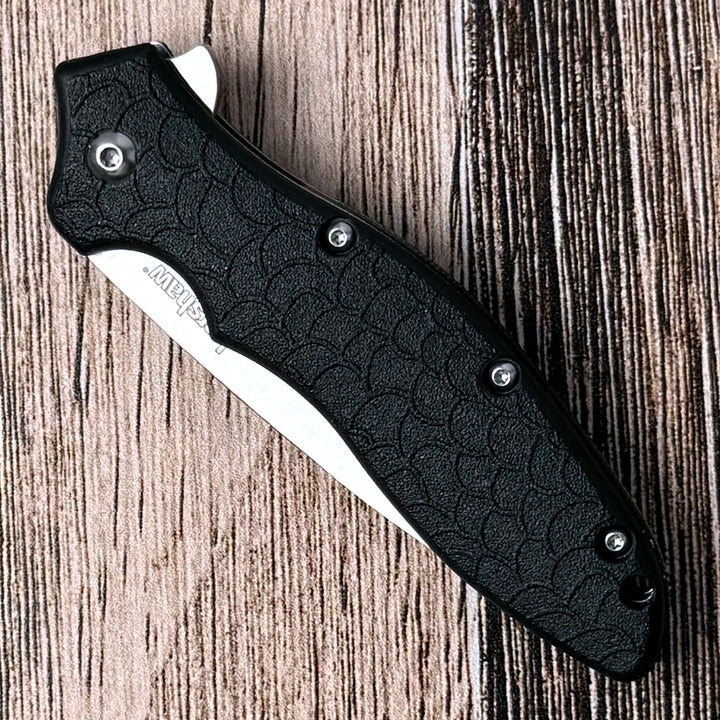
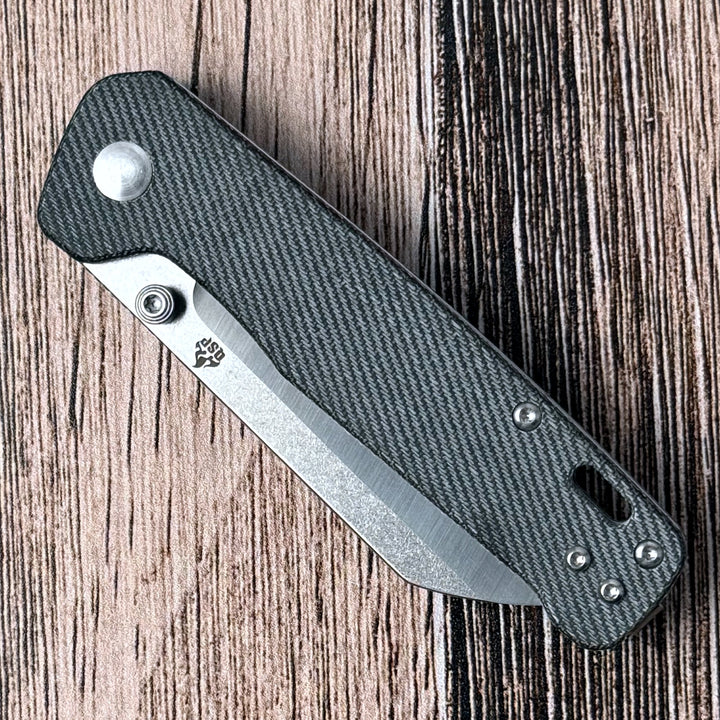
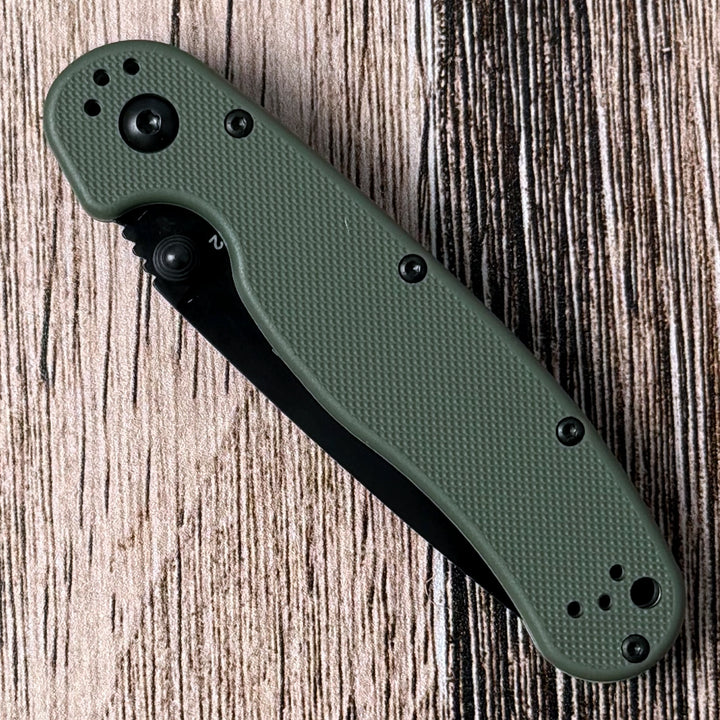
- Solid performers: Kershaw Oso Sweet, QSP Penguin V2, Ontario RAT II
- Best if: You're unsure about EDC or want a beater knife
Mid-Range ($40-$80)
- The value sweet spot
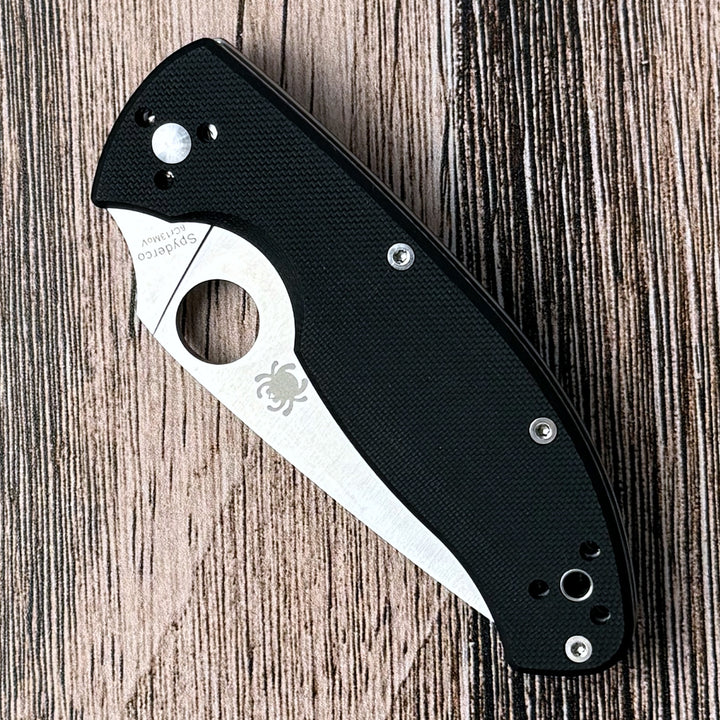
- Top picks: Kershaw Link, Civivi Elementum, Spyderco Tenacious
- Best if: You're ready to commit and want something that'll last
Premium ($80+)
- Enthusiast-grade knives
- Skip this for now—get experience first
- Best if: You already know what you want
Our recommendation: Start in the $40-$70 range. You get quality without overpaying, and if you lose it or realize EDC isn't for you, it's not a disaster.
Top 5 Beginner EDC Knives (2026)
These are proven winners for first-time buyers, and every one is in stock at Mighty Oak Supply Co. right now — free U.S. shipping, typically same-day dispatch for orders placed before 5 PM Eastern, 30-day satisfaction guarantee.
- Blade Length: 3.1"
- Steel: 8Cr13MoV (easy to sharpen)
- Why it's a good first knife: SpeedSafe assisted opening, light in the pocket, forgiving price if you decide EDC isn't for you
- Best for: First-timers who want a fast-deploying Kershaw without overspending
- Blade Length: 3.4"
- Steel: 8Cr13MoV
- Why it's a good first knife: Classic Spyderco thumb hole deployment, G10 handle, excellent introduction to the Spyderco ergonomics at a fraction of premium Spyderco prices
- Best for: First responders, outdoor use, buyers who want to try a Spyderco without committing $150+
- Blade Length: 3"
- Steel: D2 (or AUS-8)
- Why it's a good first knife: Best bang for your buck on this list — D2 steel, bomber build, legendary reputation
- Best for: Budget-conscious buyers, outdoor tasks, anyone who's hard on gear
- Blade Length: ~3.1"
- Steel: 14C28N
- Why it's a good first knife: Compact, better steel than most budget competitors, front flipper feels good in hand
- Best for: Minimalists, coin-pocket carry, buyers who want a small knife that still feels substantial
- Blade Length: 2.96"
- Steel: D2
- Why it's a good first knife: Punches well above its price — ball-bearing pivot, D2 steel, premium handle scale options. If you can afford one more step up, this is the one to carry for years.
- Best for: Buyers who want a knife they won't outgrow in six months
Common Beginner Mistakes (And How to Avoid Them)
Mistake #1: Buying Too Big
Don't buy a 4" tactical folder for EDC. It'll sit in your drawer because it's too big to carry comfortably. Start smaller than you think you need.
Mistake #2: Obsessing Over Steel
You don't need S90V or M390 steel on your first knife. D2 or VG-10 will serve you just fine. Save the super steels for when you know exactly what you want.
Mistake #3: Skipping the Return Policy
Buy from retailers with solid return policies (like Mighty Oak's 30-day guarantee). If the knife feels wrong in hand, you want the option to exchange it.
Mistake #4: Not Checking Local Laws
Knife laws vary wildly by state and city. Google "[your city] knife laws" before buying. Generally, a 3" non-automatic folder is legal almost everywhere, but check to be sure.
How to Carry Your EDC Knife
Pocket clip (tip-up): The standard way. Knife sits in your pocket with the clip visible. Tip-up carry (blade pointing up) is fastest to deploy.
Keychain carry: For tiny knives like the QSP Penguin V2. Convenient but can be bulky on your keys.
Fifth pocket (coin pocket): Many people carry small EDC knives here. Dedicated space, no juggling with your phone.
Pro tip: Carry your knife in your non-dominant pocket. You'll instinctively reach for it with your weak hand while your strong hand stays free for the task.
Maintenance 101 (It's Easier Than You Think)
EDC knives are low-maintenance, but a little care goes a long way:
Every week:
- Wipe the blade clean after use
- Oil the pivot (one drop, work it open/closed)
Every month:
- Check the pivot screw (tighten if loose)
- Clean lint from the pocket clip
Every 6 months:
- Sharpen the blade (or have it done for $10-15)
Pro tip: A sharp knife is safer than a dull one. Dull knives require more pressure, which leads to slips. Keep it sharp.
FAQ: Your Questions, Answered
Q: Is it legal to carry a pocket knife?
A: In most U.S. states, yes—especially manual folders under 4". But laws vary. Always check your local regulations.
Q: Can I take my EDC knife on a plane?
A: No. TSA prohibits knives in carry-on bags. Check it in your luggage or leave it at home.
Q: How often do I need to sharpen it?
A: Depends on use. Most people sharpen every 3-6 months with normal EDC tasks. Heavy use = more often.
Q: What if I don't like the knife I bought?
A: See our refund policy for the 30-day return window and item-condition requirements. Eligible U.S. returns include a prepaid label; Canadian return terms differ.
Q: Should I get a fixed blade or folding knife for EDC?
A: Folding knife, 100%. Fixed blades are bulky and draw attention. Folders are discreet and pocketable.
Final Thoughts: Just Start
The perfect EDC knife doesn't exist. What matters is picking one that fits your lifestyle and actually carrying it.
Don't overthink it. Grab something in the $40-$70 range with a 3" blade and D2 steel. Use it for a month. You'll quickly figure out what you like and don't like—and that's when you can fine-tune your next purchase.
At Mighty Oak Supply Co., standard U.S. shipping is free. Orders placed before 5 PM Eastern typically dispatch the same day; dispatch is not a same-day delivery promise. See our shipping policy for destinations and timing, and our refund policy for the 30-day return window and eligibility.
About the Author:
Written by the team at Mighty Oak Supply Co., a family-owned EDC retailer based in New Jersey. We believe in reliable everyday carry gear—without the hype.
Shop the picks
Four in-stock beginner-friendly knives already covered by the guide. Shop each product on its product page.