The knife aisle presents a choice: assisted opening or manual? Both deliver a sharp blade, but the mechanism matters—for speed, legality, reliability, and feel.
This guide breaks down both systems so you can make an informed decision based on your needs, local laws, and intended use.
Understanding Assisted Opening Knives
An assisted opening knife uses a spring mechanism triggered by your thumb stud or flipper. Push the stud, and the spring forces the blade open with momentum.
How It Works
1. Press or tap the thumb stud
2. Spring tension engages
3. Blade deploys rapidly (usually under 0.5 seconds)
4. Blade locks into position
Advantages of Assisted Opening
Speed: The fastest one-handed deployment available. If you need a blade open quickly, assisted wins.
Ease of use: Reduced hand strength required. People with weak grip or arthritis find assisted opening more accessible.
Satisfaction: The snap and speed feel premium and satisfying (an underrated factor in gear enjoyment).
One-handed operation: Deploy without any hand manipulation beyond the initial trigger.
Mechanical interest: The engineering appeals to gear enthusiasts who enjoy the mechanics.
Disadvantages of Assisted Opening
Legal restrictions: Many jurisdictions restrict or ban assisted opening knives. Some states classify them as spring-assist weapons. Always verify your local laws before carrying.
Accidental deployment: The spring tension means a hard pocket bump or drop might open the blade unexpectedly.
Spring wear: The spring mechanism degrades over years. Eventually, the assist becomes less responsive.
Lock reliability: Some assisted mechanisms have less-solid locks than manual equivalents, though modern designs have largely solved this.
Cost: Assisted knives typically cost 20–40% more than manual equivalents due to the spring mechanism.
Understanding Manual Knives
A manual (or slip-joint) knife requires deliberate thumb action to open. You engage the blade spine with your thumb and physically open it through muscle and leverage.
How It Works
1. Position your thumb on the blade spine
2. Apply pressure and rotate your thumb upward
3. Blade swings open through manual effort
4. Blade locks into position
Advantages of Manual Knives
Legal status: Manual knives face far fewer legal restrictions. They're carried and owned legally in most jurisdictions.
Durability: No spring mechanism means fewer failure points. A quality manual knife lasts for decades or lifetimes.
Reliable locks: Manual locks tend to be solid and predictable, with proven durability in demanding environments.
Cost: Manual knives are cheaper due to simpler mechanism. You get quality at lower price points.
Customization: Manual designs are well-established, making it easier to find exactly what you want in size, shape, and material.
Predictability: The blade won't open accidentally. You control all aspects of deployment.
Disadvantages of Manual Knives
Deployment speed: Manual opening is slower. If seconds matter in your use case, this is a limitation.
Two-handed requirement: Most traditional manual knives require both hands to open safely (one holds the knife, one works the thumb).
Strength requirement: You need sufficient hand strength and thumb mobility. Young children and some people with arthritis struggle with manual opening.
Skill learning: It takes practice to open smoothly and safely. Beginners often open too slowly or fumble.
Flippers: The Modern Middle Ground
Modern design has created a hybrid: the flipper-assist. A flipper tab extends from the blade's bottom. Flick it with your finger, and the blade opens nearly as fast as assisted knives, but through *manual* action, not spring.
Advantages: One-handed deployment, subject to local carry laws, durable, fast, and mechanical interest.
Disadvantages: Slightly slower than pure assisted, takes practice to master, thumb tab can snag clothing.
Legal Considerations (United States)
Laws vary by jurisdiction:
States with significant restrictions on assisted opening:
- California, New York, Massachusetts, Hawaii
- Some cities have local prohibitions even where the state allows them
States generally permissive:
- Texas, Florida, Wyoming, most rural states
Federal restrictions:
- TSA prohibits both assisted and manual knives in carry-on luggage (checked luggage okay)
Before buying an assisted knife, verify your state and local laws. If you travel, research restrictions in your destination. When in doubt, confirm the applicable rules before carrying. A manual mechanism does not make a knife universally legal.
Performance Comparison
| Factor | Assisted | Manual | Flipper |
|--------|----------|--------|---------|
| Deployment speed | Fastest | Slowest | Fast |
| Legal status | Restricted in many areas | Subject to local carry laws | Subject to local carry laws |
| Durability | Good with proper care | Excellent | Excellent |
| Cost | Higher | Lower | Medium |
| One-handed deployment | Yes | Usually no | Yes |
| Strength required | Minimal | High | Medium |
| Maintenance | Spring cleaning, occasional service | Minimal | Minimal |
Which Should You Choose?
Choose assisted opening if:
- Your jurisdiction permits it
- You need the fastest possible deployment
- You have limited hand strength or mobility
- You value the mechanical satisfaction
- Speed is your priority over legality
Choose manual if:
- You prefer a manual mechanism and have confirmed that the knife and carry method meet local rules
- You value durability and minimal maintenance
- You want a knife that lasts decades
- You prefer predictability over speed
- You're budget-conscious
Choose flipper if:
- You want fast manual deployment and have confirmed the applicable carry rules
- You're comfortable with a learning curve
- You appreciate mechanical design
- You want the best of both worlds
Real-World EDC Context
For everyday carry—cutting boxes, food prep, minor repairs, general utility—manual and flipper knives perform identically. The speed difference only matters in specialized scenarios (tactical, emergency response, professional trade work).
Most EDC users will be satisfied with a quality manual or flipper knife. The legality advantage makes manual knives the safer default choice unless you're specifically trained for faster deployment.
Bottom Line
There's no objectively "better" choice between assisted and manual—only the better choice for your context. Assisted opening is faster and easier to deploy, but faces legal restrictions and costs more. Manual knives are subject to local carry laws, more durable, and less expensive, but require two hands and more effort.
For most EDC users, a quality manual knife or modern flipper-assist design offers the perfect balance of capability, durability, legality, and cost. Test both if possible—feel matters as much as function.
Start with your local laws, then choose based on your strength, hand mobility, and budget. A $40 manual knife you carry legally and use confidently beats an expensive assisted knife gathering dust at home.
---
Shopping for One?
If you've landed on one type over the other, here are picks from our catalog in each camp:
Assisted openers (fast one-handed deployment, where legal):
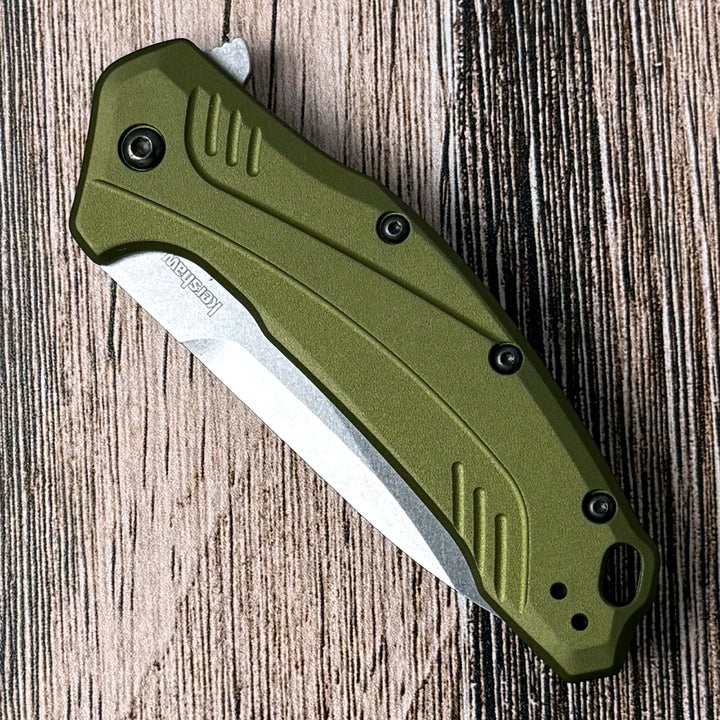
- Kershaw Link — SpeedSafe assisted, 3.25" blade, solid all-rounder
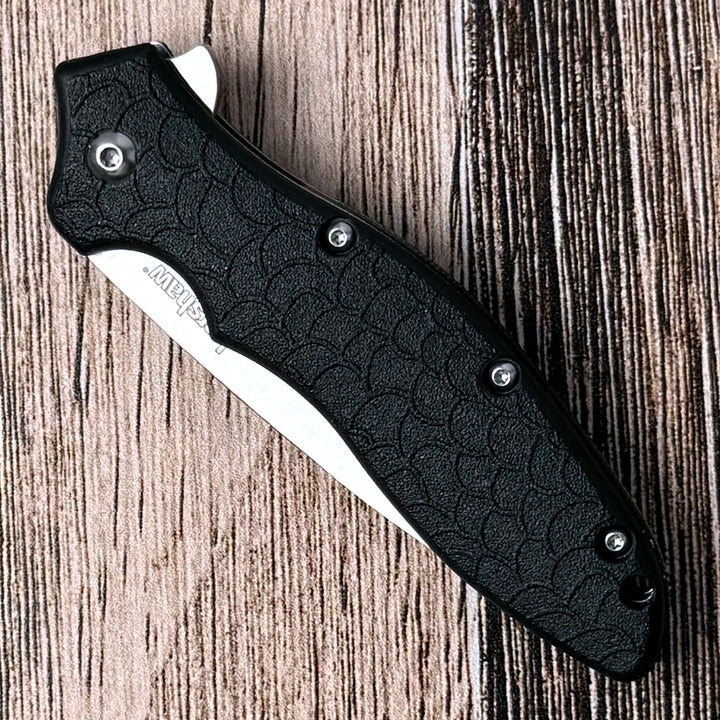
- Kershaw Oso Sweet — budget-friendly assisted entry from Kershaw
Manual / flipper knives (legal essentially everywhere):
- Civivi Elementum — ball-bearing flipper, D2 steel, our most-recommended all-around folder
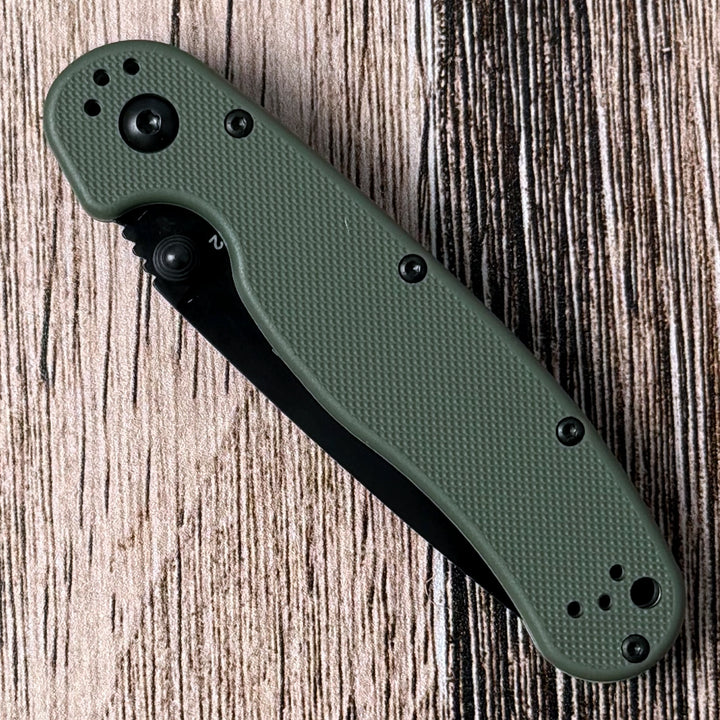
- Ontario RAT II — bomber manual folder, excellent value
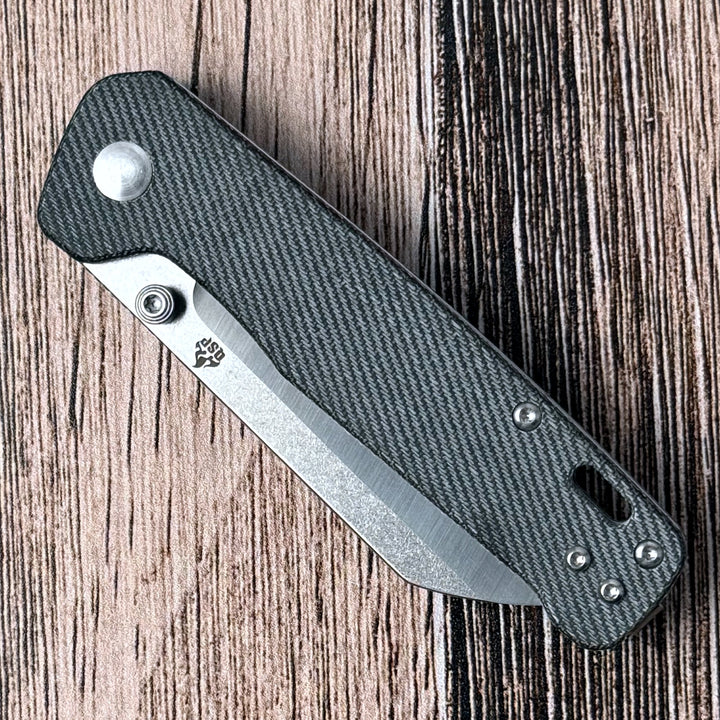
- QSP Penguin V2 — compact front flipper in 14C28N
Still deciding? Our beginner's guide to EDC knives walks through the full decision tree. Or browse the pocket knives collection.
Shop the picks
Two assisted and two manual in-stock examples for comparing the actions described below. Shop each product on its product page.