Walk into any knife conversation online and you will hear it within minutes — someone arguing about steel. S30V versus 14C28N. D2 versus 8Cr13MoV. CPM-20CV versus everything else. For people new to everyday carry, the steel debate can feel like alphabet soup. The truth is simpler: there is no single "best" knife steel. There is the right steel for how you carry, how often you sharpen, and how much you want to spend.
This guide breaks down the most common pocket knife steels on the market today, what their numbers and letters actually mean, and which knives in the Mighty Oak pocket knives collection use them. By the end, you should be able to look at a spec sheet and know exactly what you are getting.
What "Blade Steel" Actually Means
Knife steel is iron alloyed with carbon and a handful of other elements — chromium, vanadium, molybdenum, tungsten, and nickel among them. The exact recipe controls four properties that matter to a knife user:
- Edge retention. How long the blade stays sharp under use.
- Toughness. Resistance to chipping or breaking under impact.
- Corrosion resistance. How well the steel shrugs off rust and patina.
- Ease of sharpening. How quickly a tired edge can be restored at home.
Every steel is a compromise between these four traits. A steel that holds an edge nearly forever is usually harder to sharpen. A steel that resists rust completely may give up a little hardness. Knowing what you actually do with your knife matters more than chasing the highest-end alloy.
Budget Steels: Honest Workhorses
4Cr13MoV and 8Cr13MoV
The "Cr" stainless steels are Chinese-made alloys that show up on a lot of affordable folders. They are inexpensive to produce, easy to sharpen on basic stones, and rust-resistant enough for daily pocket carry. They will not hold an edge as long as premium steels, but for opening boxes, cutting cord, and general utility, they are perfectly serviceable.
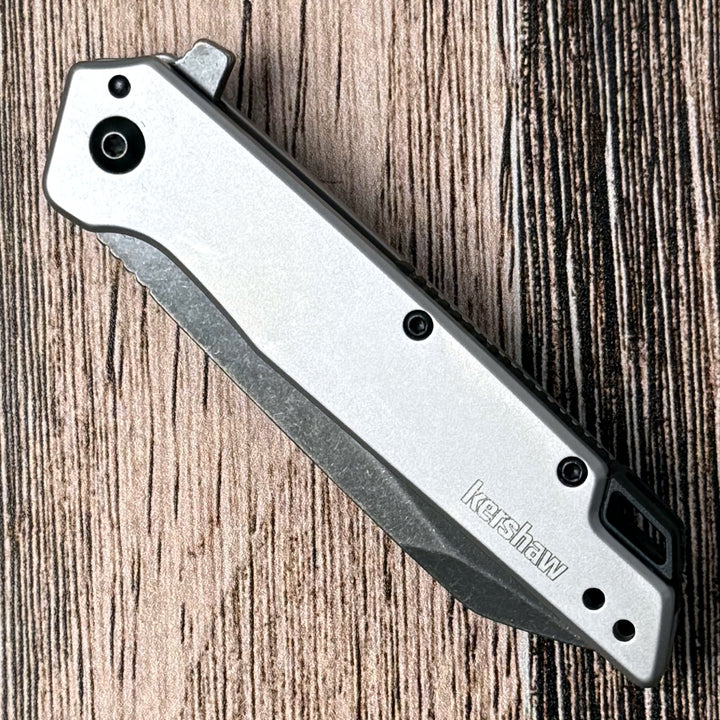
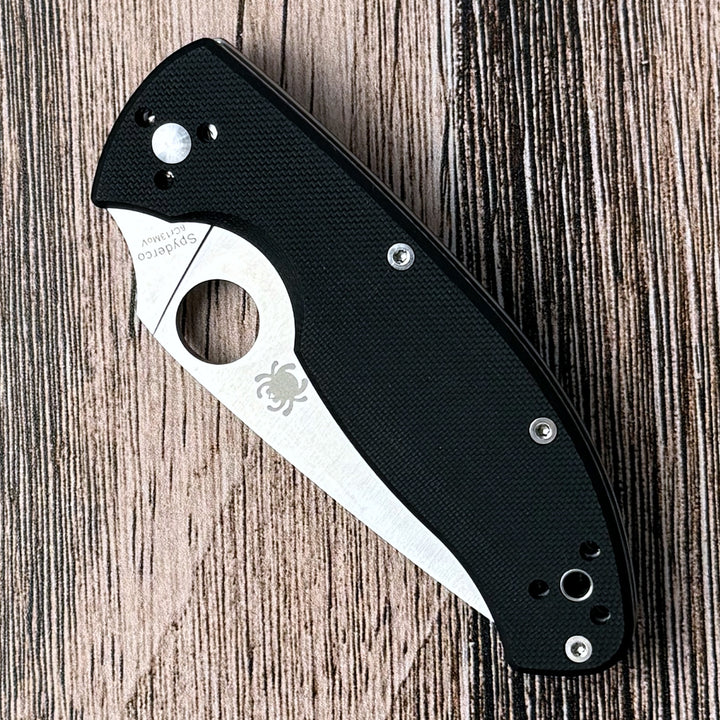
The Kershaw Misdirect uses 4Cr13MoV with a BlackWash finish, and the Spyderco Tenacious — long considered the gateway Spyderco — runs 8Cr13MoV. Both are great first folders or backup blades.
420HC
Buck's heat-treated 420HC has a reputation that punches well above what the spec sheet suggests. Paul Bos's classic heat treatment makes this otherwise modest stainless take a screaming-sharp edge and resharpen almost effortlessly in the field. It is not the steel for marathon cardboard sessions, but for a hunting or utility folder you can touch up on a strop, it is hard to beat.
Find it on the Buck 110 Hunter and the Buck 112 Slim, two of the most American knives in the lineup.
AR-RPM9
This is a newer "powder metallurgy" steel from CJRB that aims to give D2-level performance with stainless-level corrosion resistance, at a budget price. In practice it does a great job — sharper out of the box than 8Cr, more rust-resistant than D2, and easy enough to sharpen. The all-steel CJRB Pyrite showcases it nicely at $40.
Mid-Tier Steels: The Sweet Spot
D2 Tool Steel
D2 is technically a tool steel rather than a true stainless — it sits right around 11–12% chromium, just below the stainless threshold — which means it will patina if you neglect it. In return, you get excellent hardness (typically 60+ HRC), strong edge retention, and a price that punches well above its weight. D2 is the go-to "first upgrade" steel for a lot of EDC enthusiasts.
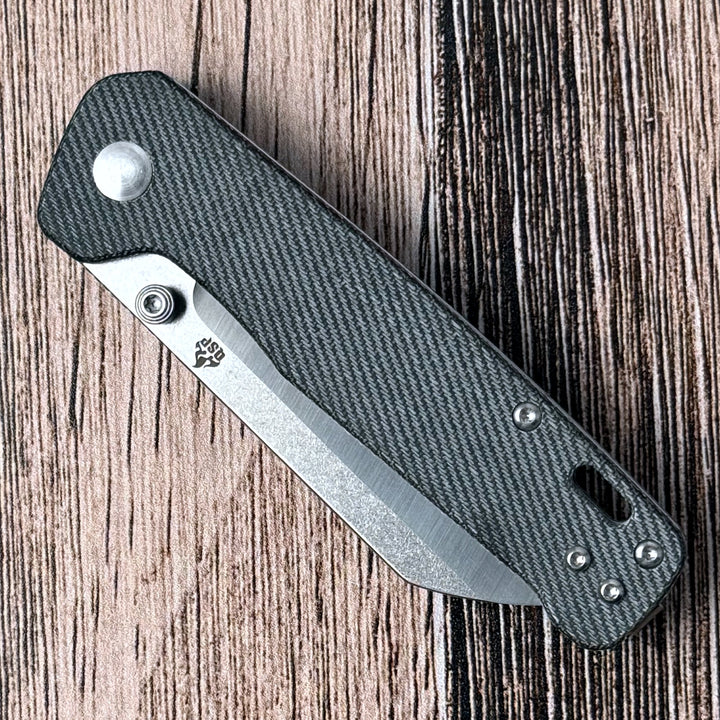
Three knives in our lineup ride on D2 and each one feels different: the Civivi Elementum dresses it up with ebony wood scales, the Ontario RAT II wraps it in legendary ergonomics, and the QSP Penguin V2 pairs it with a sheepsfoot blade and denim micarta. If you want one knife to learn what real edge retention feels like, any of the three is a fantastic starting point.
Sandvik 14C28N
Developed in Sweden specifically for cutlery, Sandvik 14C28N is a fine-grained stainless that takes a screaming edge, holds it well, and resists rust beautifully. It is a favorite of mid-tier USA-made folders because it sharpens easily on a stone and behaves predictably under use. The USA-made Kershaw Blur uses 14C28N in a BlackWash finish and is a perfect example of the steel done right.
Premium Steels: Set It and Forget It
CTS-BD1
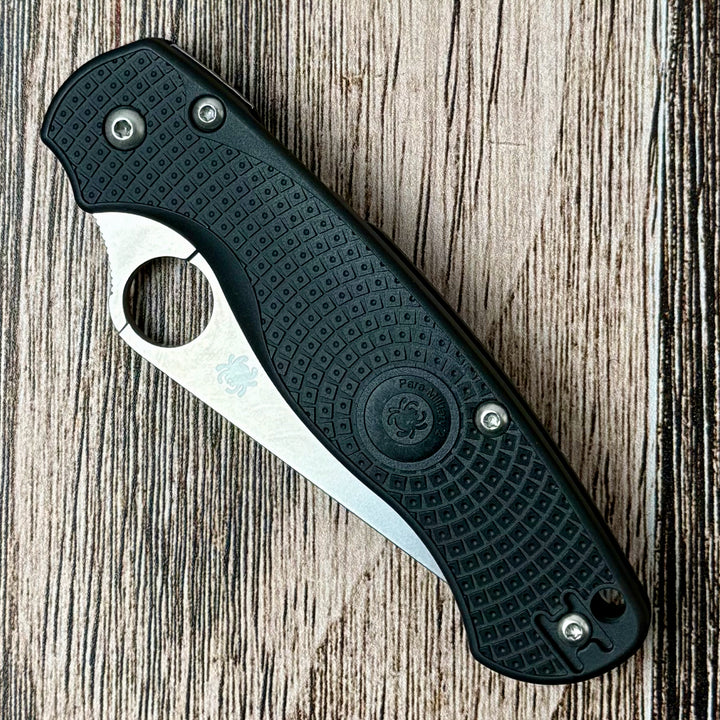
Made by Carpenter in the USA, CTS-BD1 is a fine-grained stainless that excels at corrosion resistance and ease of sharpening, with edge retention well above the budget tier. It is a quiet favorite among Spyderco fans — the kind of steel that does not generate forum arguments because it simply works. The legendary Spyderco Para Military 2 in our shop uses CTS-BD1 paired with the iconic Compression Lock.
CPM S30V
This is the steel that put American "super steels" on the map. Crucible's CPM (Crucible Particle Metallurgy) process produces a uniform, fine-grained steel with outstanding edge retention, very good toughness, and strong corrosion resistance. It is harder to sharpen than budget steels — you will want a diamond stone or quality water stone — but the edge it holds is genuinely impressive.
The Spyderco Manix 2 is the showcase piece in our collection for S30V. If you carry a knife daily and dislike sharpening, this is the tier where carry life jumps dramatically.
CPM-20CV
Often considered the top-shelf production knife steel, CPM-20CV brings extremely high chromium (around 20%) and added vanadium for elite corrosion resistance and edge retention. It is the kind of steel that traditionally showed up on $200+ knives. The USA-made Kershaw Link in Olive Green delivers CPM-20CV at $130, which is genuinely remarkable for the price.
How to Pick the Right Steel for You
Use these quick rules of thumb when choosing your next folder:
- If you do not own a sharpening setup yet: Start with 420HC, 8Cr13MoV, or Sandvik 14C28N. All sharpen quickly on inexpensive stones, and you will learn the craft faster on forgiving steel.
- If you cut a lot every day: D2, AR-RPM9, or 14C28N hit the sweet spot of edge retention and ease of maintenance.
- If you live near salt water or work outdoors: Stick to high-chromium stainless steels like S30V, CPM-20CV, or 14C28N. Avoid D2 unless you are diligent about oiling.
- If you only want to sharpen a couple times a year: Move up to S30V or CPM-20CV. The Manix 2 and Kershaw Link are excellent picks.
- If you carry mostly for utility and the occasional hard task: A well-made D2 or 14C28N folder will do everything you ask of it for years.
Steel Care: Getting the Most Out of Any Blade
The best steel in the world will disappoint you if it is not maintained. Three habits keep any blade performing at its best:
- Wipe the blade after every wet cut. Food acids, sweat, and rain all corrode steel — stainless or not.
- Touch up the edge often. A two-minute stropping session keeps the edge keen far longer than waiting until it is dull and grinding it back to life.
- Oil the pivot. A drop of light oil at the pivot every few weeks keeps the action smooth and prevents internal rust on D2 folders.
For a full walkthrough of sharpening technique and gear, see our complete EDC sharpening guide.
Pocket Knife Steel FAQ
Is a more expensive steel always better?
No. A premium steel on a folder you never sharpen will outlast a budget steel, but if you enjoy sharpening or only use your knife lightly, the practical difference can be very small. Budget steels also let you spend more on the parts that affect feel and use — locks, ergonomics, fit and finish.
Will D2 rust?
D2 can patina or develop light surface rust if it is left wet for long periods, especially around salt. A quick wipe-down after use and an occasional thin film of oil on the blade prevents almost all corrosion issues.
What is the easiest steel for a beginner to sharpen?
420HC and 8Cr13MoV are the most forgiving steels to learn on. They respond quickly to inexpensive stones and ceramic rods, which makes it easier to feel when you have raised a burr and refined the edge.
Can I sharpen S30V or CPM-20CV at home?
Yes, but you will want diamond or quality water stones. Standard hardware-store stones are too soft to cut these steels effectively. A diamond plate plus a fine ceramic rod for stropping covers almost every premium steel.
What does "CPM" mean?
CPM stands for Crucible Particle Metallurgy — a manufacturing process that produces extremely uniform, fine-grained steel. CPM steels generally outperform the same alloys made with traditional methods in both edge retention and toughness.
Final Thoughts
Steel is one of the most fun parts of EDC to learn about, but it is also one of the easiest to overthink. A great folder in a modest steel that you carry every day will always outperform a super-steel knife that lives in a drawer. Start with the steel that matches how you actually use a knife, build sharpening confidence on something forgiving, and only step up when you have a real reason to.
Ready to put theory into practice? Browse the full Mighty Oak pocket knives collection, or read our companion guides on choosing your first EDC knife and the best budget EDC knives under $50. Standard U.S. shipping is free. Orders placed before 5 PM Eastern typically dispatch the same day. See our refund policy for the 30-day satisfaction guarantee.
Shop the picks
Four in-stock guide-linked knives representing different steel and use tiers. Shop each product on its product page.